Bullying in schools is not a rite of passage. It is a pattern of repeated, unwanted behavior that harms the physical and emotional health of students, and in many schools it also affects teachers and support staff. Awareness is the first step toward change, and families, teachers and students all have a role to play in building classrooms where people feel safe enough to learn.
What Counts as Bullying
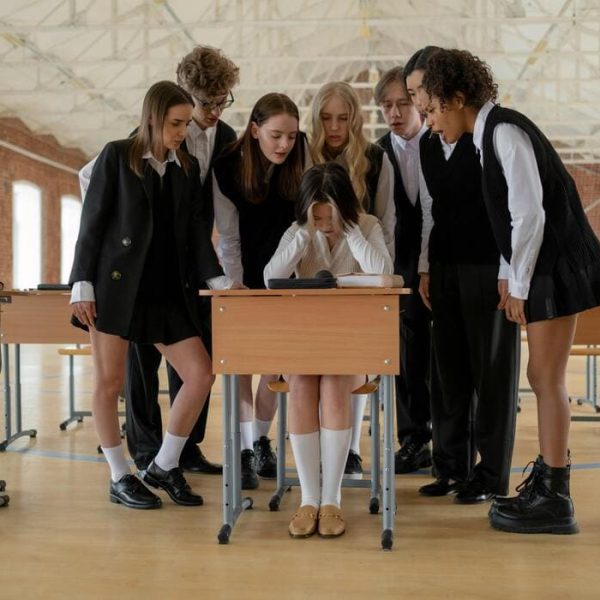
Bullying involves an imbalance of power and behavior that is repeated over time. It can be physical, verbal, social or online, and it includes name calling, exclusion, spreading rumors, threats and the sharing of embarrassing images. A single unkind comment is hurtful but is not always bullying, while a steady pattern of small acts can do serious damage.
Teacher bullying also exists, even though it is discussed less often. It may involve humiliation, unfair punishment or sarcasm directed at a student in front of peers. Adults hold power in a classroom, and misusing it can leave marks that last for years.
Warning Signs Parents Should Notice
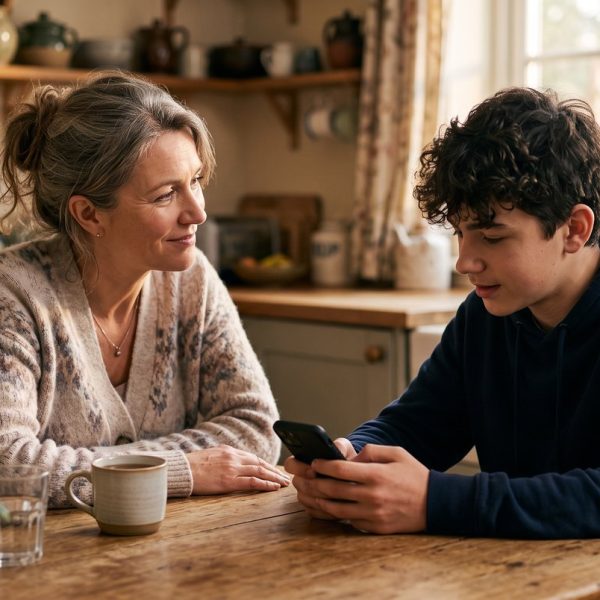
Children rarely announce that they are being bullied. Instead, parents may notice sudden changes in mood, trouble sleeping, torn clothes, lost belongings, headaches before school or a reluctance to talk about the day. Grades may drop and former friends may stop appearing.
A calm, open question asked at the right moment is more useful than a list of demands, so choose a quiet time, listen without interrupting and avoid promising actions you cannot control.
The Impact on Learning and Health
Students who are bullied often struggle to concentrate, avoid school activities and experience anxiety or low mood. Long-term studies connect early bullying with later problems such as depression, difficulty trusting others and lower educational achievement.
Bystanders are affected too. Watching unkind behavior without a safe way to respond creates stress and guilt, and it can teach young people that cruelty is normal.
How Schools Can Respond
Effective schools treat bullying as a community issue, not just a discipline problem. They publish a clear policy, train all staff, provide simple ways to report concerns and follow up with both the targeted student and the student who caused harm.
Short, regular lessons on empathy and respect work better than one assembly a year. Consistency matters more than slogans, and students quickly notice whether adults act on what they say.
What Teachers Can Do Every Day
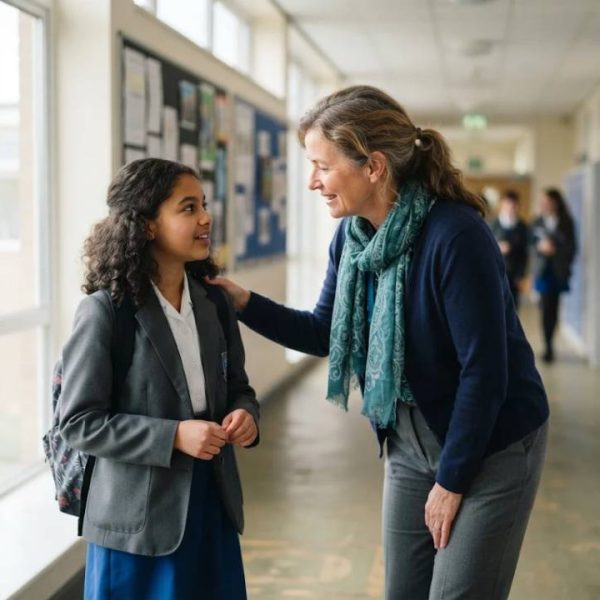
Teachers set the tone by greeting students, correcting unkind remarks at once and organizing seating and group work so that no child is always left out. Small habits create a climate where reporting feels normal.
Staff also need support. Clear procedures, time to document incidents and access to counselors make it easier to respond quickly and fairly.
Supporting a Child Who Is Targeted
Begin by listening and telling the child that the behavior is not their fault. Write down dates, details and any messages or images, and share them with the school in writing. Ask what steps the school will take and when you can expect an update.
Keep contact with the school open and polite but firm. If the situation does not improve, escalate to the head teacher, the district or the relevant education authority.
Helping Students Who Cause Harm
Students who bully often need guidance as well as consequences. Some are copying behavior they see at home, some are seeking status and some are struggling with difficulties they have not told anyone about. Restorative conversations, counseling and clear boundaries help them change.
Punishment alone rarely solves the problem. The aim is to stop the harm and teach a better way to behave.
Online Bullying and Digital Habits
Messages and images spread fast and remain visible for long periods. Encourage children to save evidence, block accounts, report content to the platform and tell a trusted adult. Parents can agree on screen time rules and talk regularly about what is happening online.
Reliable resources such as StopBullying.gov explain practical steps for families and schools, and they are a good place to start for anyone looking for advice.
Supporting Families From Other Countries
Families who have recently moved often face language barriers that make reporting harder. Letters from school, policy documents and complaint forms may be difficult to understand, and some parents hesitate to speak up. Schools can help by providing translated policies and interpreters at meetings.
Families who need documents prepared in Mandarin or Cantonese can use english to chinese translation services, and our notes on documents for school and visa applications explain what officers and schools usually expect from certified copies.
Building a Culture of Respect
Lasting change comes from shared values. Students can take part by joining peer support groups, helping new classmates and speaking up when they see unkind behavior. Parents can model respectful language and attend school events.
When respect becomes ordinary, bullying has fewer places to hide.
Final Thoughts
Raising awareness of teacher and student bullying protects the wellbeing of everyone in a school. Recognize the signs, document incidents, use clear reporting routes and support both victims and bystanders.
No child should dread the school gate. With patient, consistent action from adults, schools can become places where learning comes first.
Bullying and Mental Health
Being bullied is linked to anxiety, depression, sleep problems and in serious cases thoughts of self-harm. Children may hide how bad things are, so adults should take every report seriously and avoid minimizing it with phrases such as boys will be boys or just ignore them.
If a young person seems hopeless or talks about harming themselves, contact a doctor, a counselor or the local emergency service immediately. Early help makes a real difference, and no one should wait to ask for support.
Creating Safe Reporting Systems
Students need a way to report problems without fear of retaliation. Anonymous boxes, trusted staff members, online forms and peer mentors all work when they are well publicized and followed up quickly. Explain what happens after a report so that students trust the process.
Keep clear records of every incident, including dates, witnesses and actions taken, and review the data each term to look for patterns in locations, times or groups.
The Role of Parents and Carers
Parents can talk regularly about school life, friendships and online habits. Stay calm when a child shares bad news, thank them for trusting you and decide on next steps together. Avoid contacting the other family directly, since conflict can escalate. Use the school process instead.
Teach children simple responses, such as telling the person to stop, walking away and finding a trusted adult, and practice them at home so they feel natural under pressure.
Training Staff and Bystanders
Training should cover how to recognize subtle bullying, how to intervene safely and how to record incidents. Students can also learn to act as active bystanders by supporting the target, refusing to laugh or share content and reporting what they see.
Peer mentoring and student councils show that standing up for others is valued. Schools that celebrate kindness make bullying less rewarding.